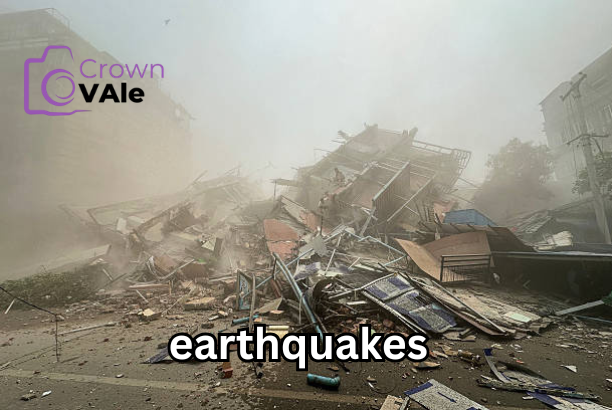
Earthquakes happen when stress builds up inside the Earth’s crust and is suddenly released due to movement of tectonic plates. These plates constantly shift, but when pressure becomes too strong along fault lines, it causes shaking at the surface.
Earthquake=Sudden Energy Release from Tectonic Plate Movement
Main causes include:
- Tectonic plate collisions and sliding
- Volcanic activity beneath the Earth’s surface
- Fault line stress accumulation
- Rare human-induced activities like mining or reservoirs
A key insight often missed is that most major earthquakes do not happen randomly—they follow long-term stress patterns that build silently for decades.
Greece Earthquakes and Mediterranean Seismic Activity
The Mediterranean region is highly active, and greece earthquakes occur due to the collision between the African and Eurasian plates. Areas like Crete and Santorini also experience frequent tremors.
Key characteristics:
- Frequent small to moderate earthquakes
- Shallow depth tremors near islands
- Volcanic influence in Santorini region
A unique insight: Many minor earthquakes in Greece actually act as “pressure release events,” which can sometimes reduce the chance of a much larger quake in the short term.
Japan Earthquakes and Tsunami Warning Systems
Japan is one of the most earthquake-prepared countries in the world. Searches like japan earthquakes tsunami warning are common because Japan sits on multiple active plate boundaries in the Pacific Ring of Fire.
Japan’s earthquake system includes:
- Instant early warning alerts
- Earthquake-resistant infrastructure
- Nationwide tsunami evacuation drills
A key real-world insight: Japan’s warning system can send alerts to mobile phones seconds before strong shaking arrives, giving people critical time to take cover.
However, offshore earthquakes remain dangerous because they can trigger tsunamis even when ground shaking is minimal on land.
Turkey Earthquakes and Istanbul Fault Risk
Turkey lies on the highly active North Anatolian Fault line, making turkey earthquakes both frequent and sometimes very destructive. Istanbul is considered a major high-risk zone.
Key facts:
- High seismic pressure beneath major cities
- Long historical earthquake record
- Dense population increases impact risk
A lesser-known insight: Istanbul’s biggest danger is not frequent small quakes, but the potential for a rare high-magnitude earthquake after long periods of underground stress buildup.
Russia Earthquakes and Tsunami Monitoring
Eastern Russia, especially the Kamchatka region, is part of the Pacific Ring of Fire and experiences strong seismic activity. This area is often linked with russia earthquakes tsunami warning alerts.
Characteristics:
- Offshore deep earthquakes
- Volcanic interaction zones
- Tsunami monitoring systems in place
Most Russian earthquakes occur in remote areas, which reduces direct human damage but increases ocean monitoring importance.
Iceland Earthquakes and Volcanic Connection
Iceland is unique because its earthquakes are closely tied to volcanic activity and tectonic rift zones. iceland earthquakes often signal underground magma movement.
Key features:
- Frequent earthquake swarms
- Volcanic eruption indicators
- Continuous crustal movement
A unique insight: In Iceland, clusters of small earthquakes are often more important than single large ones because they may indicate rising magma.
Spain Earthquakes and Western Europe Activity
Although less active than Asia or the Pacific, spain earthquakes still occur, especially in southern regions.
Key points:
- Moderate seismic risk zones
- Mostly low to mid-magnitude quakes
- Coastal monitoring systems in place
Spain is often considered stable, but historical data shows that damaging earthquakes can still occur.
Japan, Taiwan, and Pacific Ring of Fire Activity
Regions like Japan and taiwan earthquakes are highly active due to tectonic plate collisions in the Pacific Ring of Fire.
Common features:
- Frequent seismic events
- Strong infrastructure standards
- High public awareness and preparedness
Taiwan also faces landslide risks due to its mountainous geography.
Earthquakes Today and Real-Time Monitoring
Searches for earthquakes today highlight the importance of instant data. Modern seismic networks track:
- Magnitude
- Depth
- Epicenter location
- Tsunami risk levels
Real-time monitoring helps reduce panic and improves emergency response worldwide.
What Causes Earthquakes (Simple Breakdown)
- Movement of tectonic plates
- Pressure buildup along fault lines
- Sudden energy release underground
This process explains nearly all global earthquakes, from Japan to Greece.
Facts About Earthquakes
Here are important facts about earthquakes:
- Most occur along tectonic plate boundaries
- Underwater earthquakes can trigger tsunamis
- Aftershocks may continue for days or weeks
- Depth affects damage more than magnitude alone
- Earthquake patterns can repeat over decades
New Zealand Earthquakes and Preparedness
New zealand earthquakes occur frequently due to the country’s location on the boundary of two major tectonic plates.
Key insights:
- Strong building safety regulations
- Advanced seismic monitoring systems
- Frequent but mostly manageable earthquakes
A unique insight: New Zealand uses “risk micro-zoning,” meaning building rules change even within the same city based on underground fault activity.
Unique Insights Often Missed
- Earthquake swarms often indicate stress redistribution, not immediate disaster
- Some faults stay “locked” for centuries before releasing energy suddenly
- Tsunami risk depends more on seabed displacement than earthquake strength alone
FAQs
Why do countries like Japan and Turkey have so many earthquakes?
They are located on active tectonic plate boundaries where constant movement creates seismic pressure and frequent earthquakes.
Can earthquakes be predicted?
No exact prediction is possible yet, but scientists can identify high-risk zones and probability patterns.
Why do some earthquakes cause tsunamis?
Underwater earthquakes that shift the ocean floor displace large amounts of water, creating tsunami waves.
Are small earthquakes dangerous?
Most small earthquakes are harmless, but they can sometimes signal larger fault line activity.
Which region is most earthquake-prone?
The Pacific Ring of Fire, including Japan, Indonesia, Chile, and New Zealand, has the highest seismic activity.
What is the difference between magnitude and intensity?
Magnitude measures energy released, while intensity measures actual damage and shaking experienced on the surface.
Conclusion
Earthquakes are a natural part of Earth’s continuous geological movement, especially in regions like Japan, Turkey, Greece, Iceland, Taiwan, Spain, and New Zealand. Understanding greece earthquakes, japan earthquakes tsunami warning, and other global seismic patterns helps improve awareness and preparedness. While earthquakes cannot be prevented, modern monitoring systems and safety planning significantly reduce risks and save lives. Staying informed is the most important step in facing natural hazards like earthquakes.