
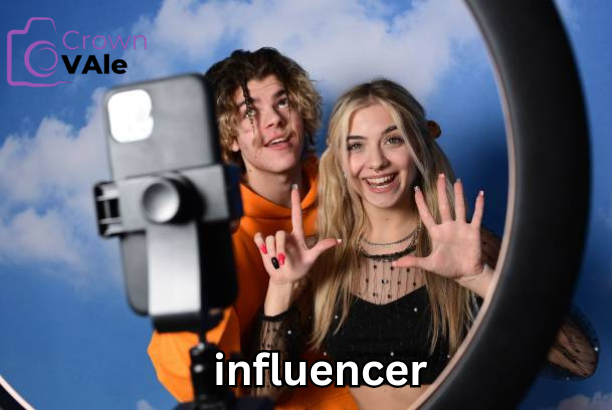
To understand what is an influencer, you don’t need a fancy definition. An influencer is simply someone who can change opinions or decisions through trust. That influence can come from experience in a niche (fitness, food, tech), personality and storytelling, or consistent content creation. Unlike traditional celebrities, influencers are built from audiences first, not fame first. A beauty creator reviewing skincare or a gamer explaining a new setup can influence buying behavior more than a TV ad because the audience feels like they’re getting advice from a real person.
How Influencer Marketing Actually Works
At its core, influencer marketing is a partnership between brands and creators. But in practice, it works in different layers. In the awareness stage, a creator introduces a product casually in content. In the trust stage, the audience watches repeated usage or reviews. In the decision stage, followers buy based on familiarity and trust. Brands don’t just pay for posts—they pay for trust transfer. That’s the real currency of this industry.
Why Influencer Marketing Works Better Than Ads
Traditional ads interrupt people. Influencers integrate products into content people already want to watch. It feels personal, not scripted, uses real-life context, shows products in action, and builds emotional connection. A fitness influencer showing a workout routine with gear feels more believable than a banner ad saying “Buy this equipment.”
Influencer Marketing Agency: Behind the Scenes
A influencer marketing agency acts like a bridge between brands and creators. They handle finding the right influencers, negotiating contracts, planning campaigns, tracking performance, and managing compliance rules. Many brands fail their first influencer campaign because they pick creators based only on follower count. Agencies prevent this by analyzing audience quality, not just size. A smaller creator with loyal followers often performs better than a big account with low engagement.
Amazon Influencer Program Explained
The amazon influencer program allows creators to earn money by recommending products through personalized storefronts. What makes it powerful is easy entry for creators, passive income potential, built-in product trust, and compatibility with review-style content. Many micro-creators now rely on this as a stable income stream rather than just sponsorships.
AI Influencer: The New Digital Shift
The rise of the ai influencer is changing how brands think about content. These are computer-generated personalities that post content automatically, stay consistent 24/7, never have PR scandals, and can be fully brand-controlled. The biggest shift isn’t that AI influencers replace humans—it’s that they remove unpredictability. Brands use AI influencers for consistency, but human influencers still win in emotional trust. The future is likely hybrid campaigns where AI handles scale and humans handle credibility.
Real Influencer Culture: Beyond Marketing
Influencers aren’t just marketing tools—they’re part of internet culture. Examples include emma petersen food influencer content shaping food trends, viral controversies like influencer gone wild moments spreading fast, accident-related news such as influencer ran over searches showing how quickly creators become headlines, and debates like argos influencer toy debate showing consumer skepticism toward ads disguised as content. These moments show how influencers exist at the intersection of entertainment, commerce, and public attention.
How Influencers Make Money
Most people assume influencers earn only from sponsorships, but income is much broader. It includes brand partnerships, affiliate marketing, product lines, paid communities, platform monetization, and live appearances. Some creators even earn more from affiliate income than direct sponsorships.
Benefits Influencers Bring to Brands
Influencer campaigns offer faster audience trust, higher engagement rates, better niche targeting, authentic product positioning, and lower production cost compared to ads. Influencer marketing also acts as real-time market testing. Brands can quickly see how audiences react to a product before investing in large-scale advertising or production.
The Risks and Challenges in Influencer Marketing
Challenges include fake followers or engagement, brand misalignment, controversial influencer behavior, sudden reputation shifts, and poor ROI tracking. A single controversy can affect both creator and brand reputation instantly, which is why due diligence is now essential.
Common Mistakes Brands Make
Many companies lose money because they choose influencers based only on popularity, ignore audience demographics, over-script content, don’t allow creative freedom, or expect instant viral results. Influencer marketing works best when content feels natural, not controlled.
The Future of Influencer Marketing
The industry is moving toward AI-driven content support, smaller but highly loyal communities, long-term brand partnerships, greater transparency rules, and more data-driven influencer selection. The most valuable influencers will be those trusted in micro-niches rather than the biggest accounts.
Common Questions About Influencers
What is an influencer in simple words? An influencer is someone who can affect other people’s decisions through trust, content, and online presence in a specific niche. How does influencer marketing work? Brands collaborate with creators who promote products through content that builds trust and drives buying decisions. What is the Amazon influencer program? It is a system where creators earn commissions by recommending products through personalized storefronts. Are AI influencers replacing real influencers? No, AI influencers are growing but human influencers still provide emotional trust and real-life experience. Why do influencer controversies go viral? Because influencers operate publicly and any incident spreads quickly across social media and news platforms.
Conclusion
Influencer marketing has evolved into a core part of how people discover and evaluate products online. From influencer marketing agencies shaping campaigns to the rise of ai influencer systems, the industry continues to expand rapidly. At the same time, real-world culture, debates, and niche creators show that influence is still deeply human at its core. Trust, relatability, and consistency remain the foundation of everything in this space.
