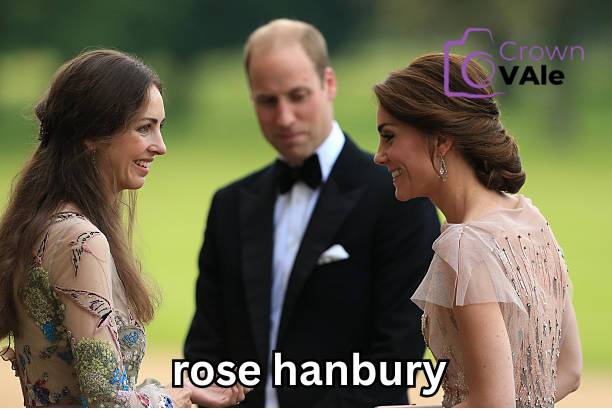
Rose Hanbury is a British aristocrat and the Marchioness of Cholmondeley, known for her long-standing connections to the British upper class and countryside estate life.
She is part of a well-established social circle that overlaps with political, aristocratic, and royal families in the United Kingdom. Her public visibility increased not because of media appearances, but due to her proximity to high-profile social environments.
Key points about her background:
- She is married to David Cholmondeley, the 7th Marquess of Cholmondeley
- She has been involved in charitable and social initiatives
- She lives primarily at Houghton Hall in Norfolk
- She has attended formal royal and state events in the past
Searches like “sarah rose hanbury” often refer to variations of her full name, though her commonly used name in media is Rose Hanbury.
Why Her Name Is Linked to Prince William
The phrase “rose hanbury prince william” gained attention due to online speculation rather than confirmed reporting. These discussions largely originated from anonymous online forums, tabloid-style content, and social media amplification.
It is important to understand:
- No verified public evidence supports claims of a personal relationship
- Neither party has publicly commented on such rumors
- Reputable mainstream outlets have not confirmed these allegations
In many cases, royal-family-related rumors spread because:
- Public interest in the monarchy is extremely high
- Small social connections get exaggerated online
- Viral posts often remove context or accuracy
- Search engines amplify trending topics automatically
A key insight often missed is that proximity in elite social circles is frequently mistaken for personal involvement. In aristocratic communities, families often know each other through events, estates, and long-standing traditions without any deeper implication.
“Rose Hanbury and William” Search Trends Explained
Search phrases like “rose hanbury and william,” “rose hanbury william,” and “rose hanbury and prince william” typically spike during periods of increased media attention on the royal family.
These spikes are driven by:
- Social media speculation cycles
- Viral commentary videos
- Tabloid reposting of old claims
- Public curiosity about royal relationships
A major misconception online is that repeated search trends equal factual confirmation. In reality, search behavior often reflects curiosity rather than truth.
For example:
- A viral post can trigger thousands of searches in hours
- Those searches then reinforce algorithmic visibility
- Increased visibility creates the illusion of credibility
This feedback loop is one of the strongest drivers of modern misinformation cycles.
Rose Hanbury Children and Family Life
Searches about “rose hanbury children” reflect interest in her personal life outside of public speculation.
Rose Hanbury has children with her husband, David Cholmondeley, and lives a largely private family life at their estate. Unlike public celebrities, her family does not actively seek media attention.
Important context:
- Her children are not public figures
- The family maintains a relatively private lifestyle
- Most available information comes from general biographical reporting, not personal disclosures
A useful insight here is that aristocratic families in the UK often maintain a strong separation between public ceremonial roles and private household life, even when they occasionally appear at official events.
Public Misinterpretation and Online Narratives
One of the most significant issues surrounding this topic is how quickly online narratives can form without evidence.
Common patterns include:
- Old photos being recirculated as “new evidence”
- Social media threads building theories without sources
- Blog posts repeating unverified claims
- Headlines optimized for clicks rather than accuracy
Once a narrative forms, it becomes self-reinforcing. Even neutral mentions of individuals can be reinterpreted as “confirmation” by online communities.
This is why topics like “rose hanbury and william” remain persistent in search trends despite lack of substantiated reporting.
Why Royal Rumors Spread So Easily
The British royal family is one of the most closely followed institutions in the world. As a result, even minor interactions can become amplified into global discussion topics.
There are several reasons for this:
- High public fascination with royal life
- Limited official information on private matters
- Strong media competition for royal coverage
- Emotional engagement from global audiences
A deeper insight is that royal news operates differently from typical celebrity news. Because the monarchy blends tradition, politics, and culture, audiences often interpret it through multiple lenses at once.
This creates a fertile environment for speculation.
The Role of Social Media in Amplifying Claims
Modern platforms play a major role in shaping perception around figures like Rose Hanbury.
Key amplification mechanisms:
- Algorithm-driven trending topics
- Short-form video speculation
- Anonymous posting environments
- Engagement-based visibility systems
Once a topic begins trending, platforms often prioritize it regardless of accuracy because engagement signals are strong.
This leads to a situation where:
- Attention is rewarded over verification
- Repetition feels like confirmation
- Context is frequently lost
Separating Fact From Speculation
When evaluating topics like “prince william rose hanbury,” it is essential to rely on credible standards:
Reliable indicators:
- Statements from official representatives
- Coverage by established news organizations
- Direct quotes from involved parties
Unreliable indicators:
- Anonymous online posts
- Edited or out-of-context images
- Viral speculation threads
- Unverified blogs
A practical approach is to treat viral claims as hypotheses, not conclusions, unless confirmed by authoritative sources.
Common Mistakes Readers Make With This Topic
Assuming Visibility Equals Truth
Just because something is widely discussed does not mean it is verified.
Confusing Social Proximity With Relationships
Aristocratic and royal circles often overlap socially without personal implications.
Trusting Viral Content Without Sources
Engagement-driven content is often designed to provoke reaction rather than inform.
FAQ
Who is Rose Hanbury?
Rose Hanbury is a British aristocrat known as the Marchioness of Cholmondeley, connected to UK high society and estate life.
Why is Rose Hanbury linked to Prince William?
The connection comes from online speculation and viral discussions, not from verified public reporting or confirmed statements.
Does Rose Hanbury have children?
Yes, she has children with her husband and maintains a private family life away from public attention.
Are Rose Hanbury and Prince William connected personally?
There is no confirmed public evidence of any personal relationship, and both parties have not made statements supporting such claims.
Why do rumors about Rose Hanbury keep trending?
They resurface due to social media cycles, online speculation, and repeated search interest rather than new factual developments.
Is “Sarah Rose Hanbury” the same person?
Yes, “Sarah Rose Hanbury” is a variation of her full name, though she is commonly referred to as Rose Hanbury.
Conclusion
Rose Hanbury’s name continues to appear in online discussions largely because of speculation cycles rather than verified developments. While search terms like “rose hanbury prince william” and “rose hanbury and william” remain popular, they are driven more by internet culture than confirmed public information.
A more accurate understanding requires separating social media narratives from credible reporting and recognizing how quickly rumors can evolve in the digital age.
In the end, this topic highlights a broader lesson about modern information: visibility does not equal verification, and repetition does not equal truth.